
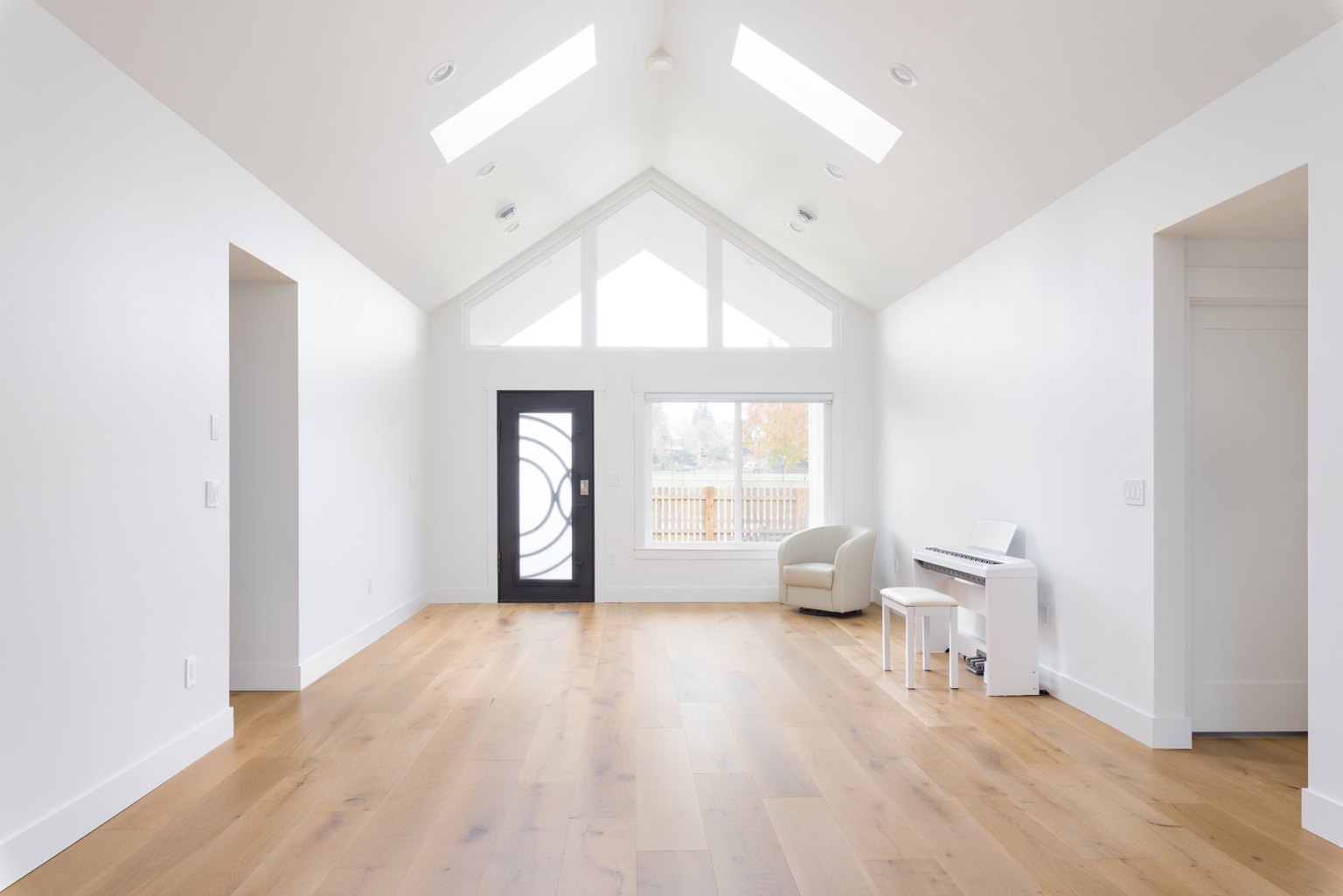
Interior Painting
Refresh walls, ceilings, doors and trim with colors and preparation suited to each room.
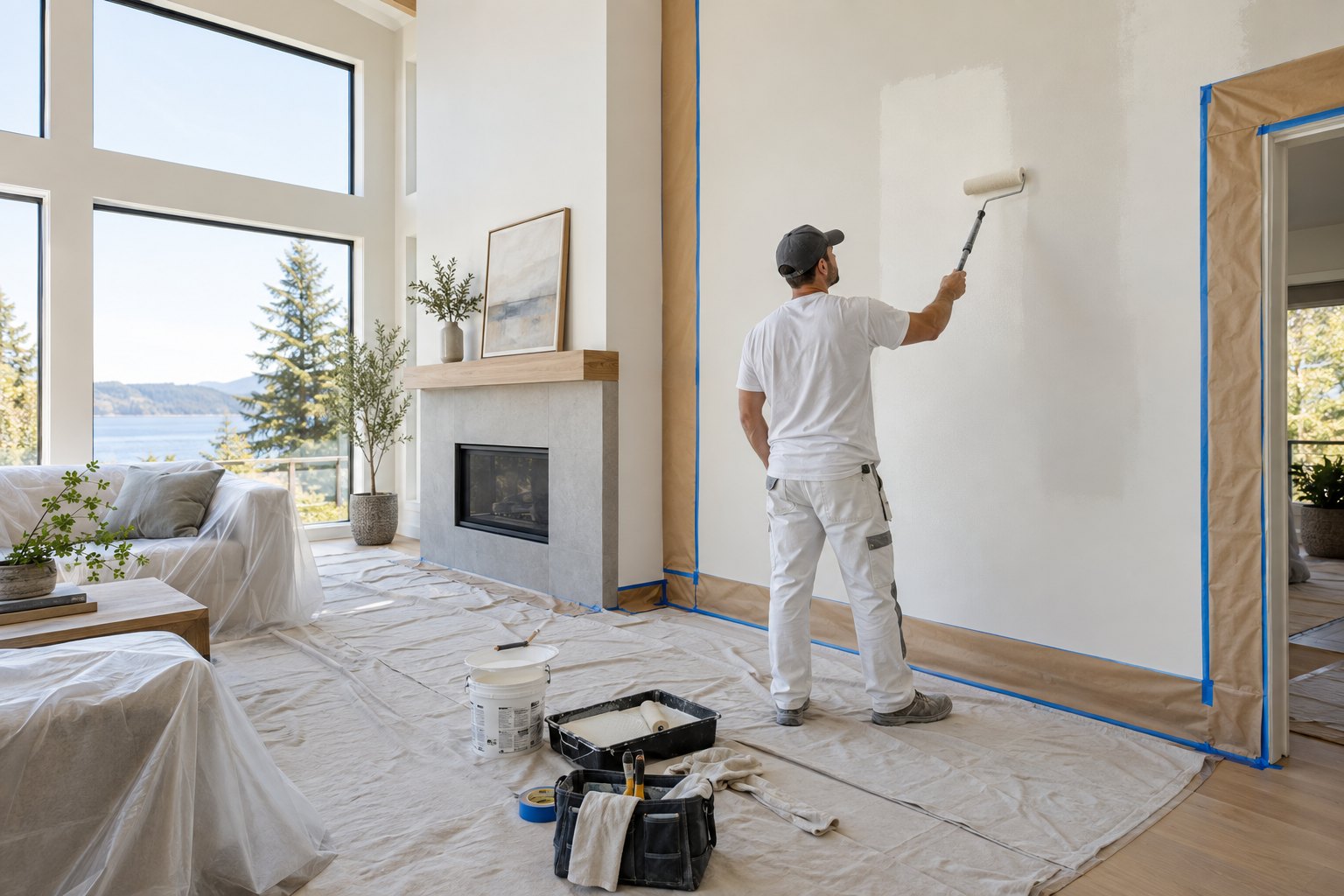
Interior · Cabinet · Exterior painting
The finish that brings your home together.
Illustrative painting concept · Preparation and finishes are selected for each project.
Service at a glance
LeviArs Design & Remodeling coordinates interior, cabinet and exterior painting for homeowners across King and Snohomish Counties. Start with the surfaces you want to refresh, then define preparation, products, colors and access in a written scope.
A considered finish
Refresh your rooms, give suitable cabinets a new direction, or bring your exterior colors together. We help define the surfaces, preparation and finish system around your home and the result you want.
From a single room to a whole-home repaint, the details matter: existing conditions, color transitions, sheen, protection and time to return to normal use. Visit our Kirkland Design Center to discuss selections, or connect painting with a coordinated renovation.
Three ways to refresh your home
Choose one service or combine several in an agreed plan. These photos from the LeviArs project collection show color and finish references; they do not document a painting-only scope or before-and-after results.
Refresh walls, ceilings, doors and trim with colors and preparation suited to each room.
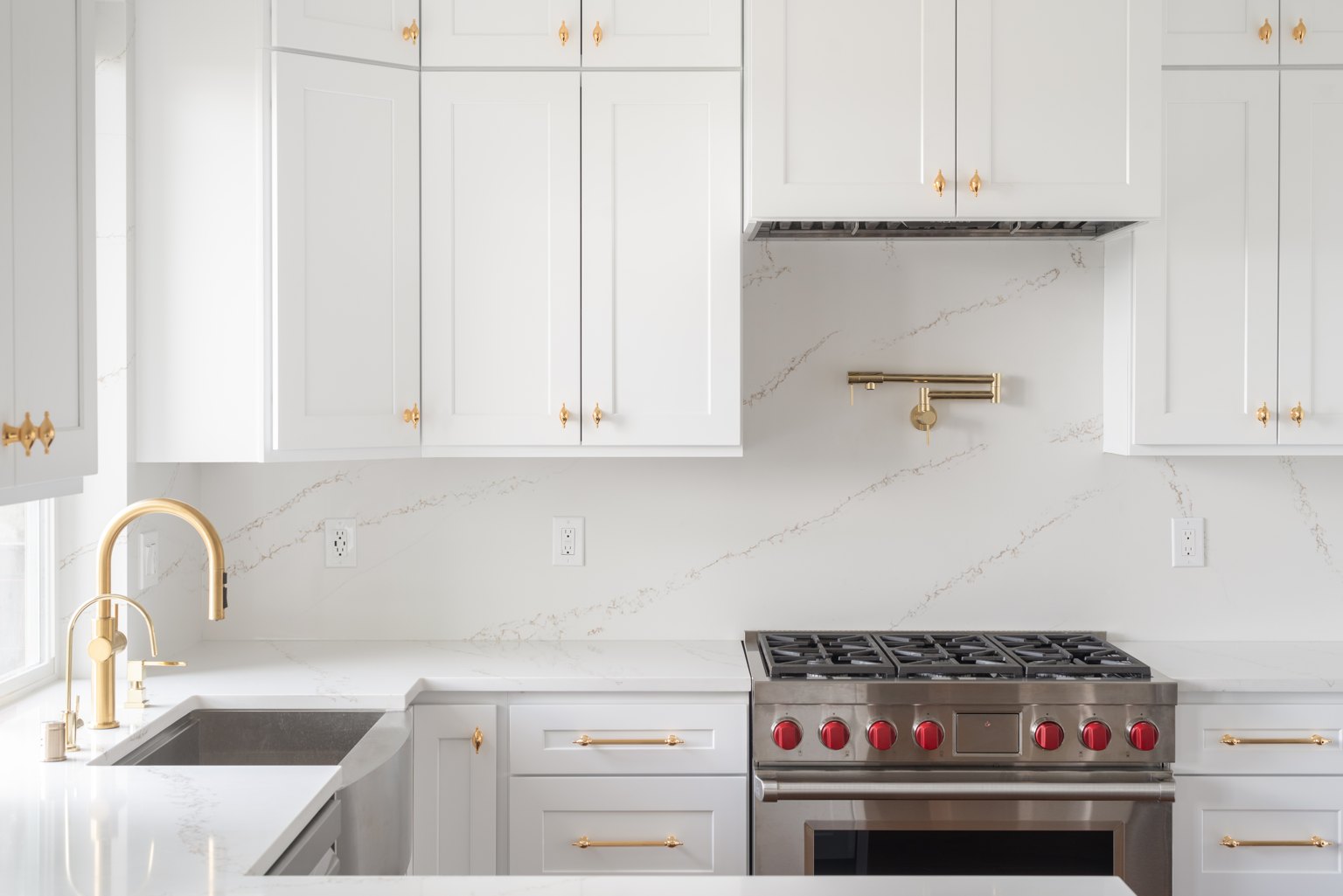
Give suitable cabinets a new color, with clear expectations for the existing material, grain and finish.
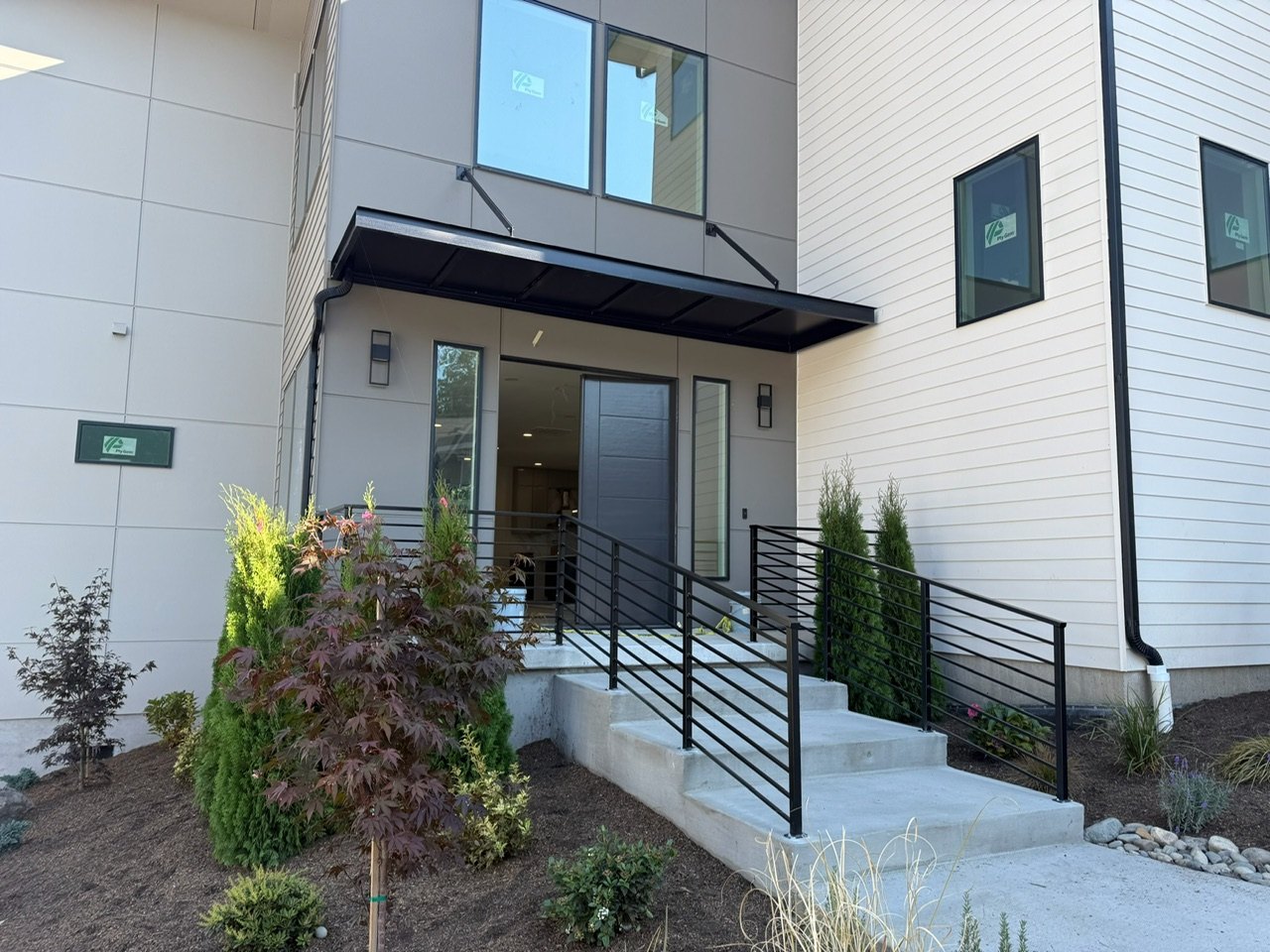
Coordinate siding, trim and doors with a coating plan matched to the surface and weather conditions.
Rooms, ceilings & details
Bring walls, ceilings, doors and trim into one considered palette. Choose a surface below to see what to include in the plan.
Coordinate colors with interior design and flooring selections. For treads and stair components, review the separate stairs remodeling scope.
Plan interior painting →Create a coordinated backdrop for furniture, flooring, and everyday life. We help plan colors for individual rooms or connected living areas, identify the walls and ceilings being painted, and review the preparation needed around existing repairs, architectural details, and adjoining finishes.
Bring several rooms together through a considered palette. Whole-home painting can coordinate walls, ceilings, doors, and trim while keeping each surface clearly identified in the proposal. We discuss sequencing, furniture, access, and occupied areas before work begins so the household can prepare for the project.
Refresh walls, ceilings, and paintable trim around cabinetry, fixtures, and utility areas. Product selection considers cleaning, humidity, ventilation, and the existing surface. Ordinary wall paint is not a shower waterproofing system. Leaks, persistent dampness, and mold concerns must be addressed before affected surfaces are coated.
Update flat, sloped, vaulted, and textured ceilings with a finish suited to the room. We review water marks, cracks, previous patches, and access needs before painting. Stain treatment does not repair an active leak, and repainting does not remove an existing ceiling texture unless texture removal is separately included.
Coordinate interior doors, jambs, casings, window trim, and sills with the surrounding rooms. Your scope identifies the faces and edges being painted, hardware handling, and preparation of previously finished surfaces. Coating selection and return-to-use instructions are planned for frequently handled components.
Refresh baseboards, crown molding, chair rails, wainscoting, paneling, and other paintable details. We define which joints, nail holes, and surface defects are being addressed. Extensive carpentry, replacement pieces, and major smoothing are separate from an ordinary repaint unless included in the proposal.
Connect transitions between rooms and levels with coordinated color and finish. Stairwell and high-wall work includes planning equipment access, protection, and temporary restrictions. Handrails, posts, balusters, and stair risers can be identified separately; stair-tread refinishing requires an appropriate floor-finish scope, not ordinary wall or trim paint.
Bring a fresh finish to smaller spaces and storage areas. The proposal distinguishes walls and ceilings from shelves, cabinets, and built-ins that require a different coating system. We discuss shelf contents, access, and waiting periods before belongings are returned to newly finished surfaces.
Improve lower-level and utility spaces with painting planned around existing conditions. We review visible dampness, stains, surface compatibility, and room use. Painting a basement wall does not resolve water intrusion, and painting garage walls does not include a vehicle-rated floor coating unless that work is separately specified.
Address agreed nail holes, dents, patches, seams, and surface repairs before painting. New drywall, previously repaired walls, and changes in texture may require different preparation and priming. Extensive smoothing, plaster repairs and texture matching are outside standard repainting unless separately assessed and confirmed; repainting alone does not produce a new, perfectly flat wall.
Introduce contrast through an accent wall, a two-tone room, painted paneling, or a coordinated architectural detail. We confirm color placement and boundaries before application. Complex patterns, limewash, decorative plaster and specialty effects are outside the standard painting scope unless separately confirmed.
A new direction for suitable cabinetry
Refresh existing cabinets with an opaque painted finish when their construction and condition support it. The plan identifies surfaces, preparation, finish expectations and kitchen downtime.
If the layout or cabinet condition needs more, compare replacement cabinetry and kitchen remodeling. Stain and clear-finish restoration require separate confirmation.
Request a cabinet painting estimate →Cabinet painting can change the color and appearance of an existing kitchen while retaining suitable cabinets and their layout. We assess the condition of doors, drawer fronts, cabinet boxes, finishes, and hardware before recommending repainting, repairs, or replacement. Paint does not correct structural damage, failing components, or an unsuitable layout.
Your proposal identifies exactly which surfaces will be finished: doors, drawer fronts, exposed face frames or edges, end panels, fillers, toe kicks, and other agreed components. Cabinet interiors, drawer interiors, shelving, underside areas, and glass-door interiors are not assumed included. Islands can use a coordinated contrasting color when selected in the design.
Extend a coordinated finish to vanity cabinetry, laundry storage, media units, bookshelves, or other suitable built-ins. Each application is reviewed for its existing finish, exposure, and use. Adjacent countertop, sink, plumbing, or electrical changes remain separate unless expressly included.
The existing material and coating determine whether repainting is appropriate. Suitable painted or stained wood and paintable engineered components may require different preparation and primers. Laminate, melamine and foil-wrapped or thermofoil components are outside standard cabinet painting unless separately assessed and confirmed. Peeling film, swelling and damaged edges can make replacement more practical than coating.
Our cabinet-painting scope addresses cleaning, removal of grease and residues, surface preparation, and a compatible primer and finish system. Adhesion checks and sample areas are used where appropriate. Doors and hardware are removed and labeled when required by the agreed method. Brush, roller, or spray application is selected for the coating, site conditions, and specified result; not every project uses the same method or work location.
Painting wood changes its color, but visible grain, texture, joints, and existing irregularities may remain. Grain filling, extensive leveling, and higher-preparation finishes are included only when specifically agreed. We review a representative sample when appropriate rather than promise every existing cabinet will look like a new factory-finished door.
Painting creates an opaque color while retaining suitable existing components. Refacing replaces or covers selected visible components; replacement installs new cabinetry. These are different scopes. If the cabinet condition or layout needs more than a finish change, compare the appropriate repair or replacement options. Staining and clear finishing require a separate capability and product review.
Identify handle and hinge changes, hole filling, drilling, repairs, and reinstallation in the proposal. We discuss which parts of the kitchen can remain in use and how surfaces will be protected. Reassembly, normal handling, and cleaning follow the selected coating's drying and curing requirements. Dry-to-touch does not mean ready for unrestricted use.
Siding, trim & architectural details
Consider body color, trim and doors together, with preparation matched to the existing siding and finish. Surface condition and weather guide the work sequence.
Tell us about peeling coatings, damaged siding, difficult access and any known moisture concerns before the estimate.
Request an exterior painting estimate →Coordinate the body color, trim, doors, and architectural accents as one exterior palette. We review the existing surfaces, prior coatings, visible damage, access, and proposed preparation before defining the work. Exterior painting is planned around product requirements and weather conditions, not a fixed promise to paint through rain or onto damp siding.
Refresh suitable wood siding, cedar accents, and shingles with paint selected for the existing material and finish. Preparation considers loose coatings, weathering, repairs, and possible staining from the wood. Rotten or failed boards need repair or replacement; a new coating is not a substitute for sound material or correction of a moisture source.
Plan repainting around the siding manufacturer, existing finish, and condition. We confirm compatible preparation, primer where needed, and topcoats before application. Cut edges, repairs, joints, and drainage details are addressed according to the selected system rather than treating every siding product like bare wood.
Coordinate trim and roof-edge details with siding and doors. We identify preparation and agreed repairs while preserving required ventilation and drainage openings. Failed joints, loose trim, or damaged wood are reviewed before painting. Roof repair and replacement are not included simply because work occurs near the roofline.
Create a coordinated entry or refresh a visible garage door with a system suited to its material and existing finish. The proposal identifies faces, edges, trim, hardware handling, and return-to-use restrictions. Weatherstripping, tracks, hinges, and other moving or functional parts are not treated as ordinary paintable surfaces.
Bring exterior details into the color plan without assuming every factory-finished component should be painted. We review the material, condition, coating limitations, and areas included. Window replacement, failed seals, and structural column repairs are separate services rather than problems a paint finish will resolve.
Coordinate an outbuilding or covered outdoor feature with the main house. The written scope identifies surfaces, access, preparation, repairs, and the applicable exterior coating. Commercial buildings, roof coatings, waterproof decks, pools, and other specialist applications require separate confirmation and are not included in standard residential painting by default.
Color, sheen & product compatibility
Compare colors with flooring, cabinetry, counters, tile, roof colors, and other features that will remain. Review samples in the actual room or exterior light before approval. We record the agreed color names, product lines, and sheens; a screen image or small swatch is not a guarantee of the appearance across an entire wall.
Water-based acrylic or latex coatings are considered for appropriate walls, ceilings, and exterior surfaces. Cabinet and trim enamels are selected for their intended use and compatibility, not merely because they share a wall-paint color. Some surfaces need a bonding, stain-blocking, drywall, masonry, or corrosion-resistant primer. A paint-and-primer label does not eliminate every need for surface-specific preparation or separate primer.
Different coating systems have different preparation, application and care requirements. We identify the selected product rather than promise one coating will suit every surface. Stains, clear finishes, specialist floor coatings, decorative plasters and unusual substrates require separate confirmation and are not included in standard painting by default.
Discuss product options, sensitivities, children, pets, and occupancy needs before work is scheduled. Lower odor or low-VOC labeling does not mean a product is hazard-free or that ventilation is unnecessary. The work plan and return-to-use guidance follow product precautions and the conditions of the home; exterior-only products are not substituted for interior coatings.
Sheen labels vary between manufacturers. Select the product and finish together; the same sheen name does not guarantee the same appearance or performance.
From assessment to aftercare
We discuss the rooms or exterior surfaces, desired changes, access, budget, and existing finish. We identify visible damage and ask about leaks, prior coatings, repairs, and the age of the property. Conditions needing further assessment are discussed before the painting scope is confirmed.
Review the surfaces, preparation level, colors, sheens, products, coating schedule, and exclusions. Samples or test areas are included where agreed. The proposal separates painting from repairs, specialty finishing, and work by other trades so the customer understands what is being purchased.
Agree who moves furniture, empties cabinets, clears exterior access, or relocates vehicles. We plan protection for retained flooring, counters, fixtures, landscaping, and adjacent property as appropriate to the job. Work zones, equipment, and temporary restrictions are discussed before preparation begins.
Preparation is matched to the surface and prior finish. It may include cleaning, removal of loose coatings, repairs, smoothing, dust control, and other specified work. Lead, suspected hazardous materials, active moisture, or significant damage require the appropriate assessment and scope before affected work proceeds.
The primer and topcoat are selected as a compatible system. Bare, repaired, stained, glossy, porous, or otherwise difficult surfaces may require different treatment. We review adhesion and sample areas where appropriate instead of assuming all existing paint can receive the same new coating.
Apply the agreed coating system using the method suited to the surface, product, and desired appearance. Coat requirements, film build, recoat intervals, and environmental limits follow the selected product and written scope. Additional colors, repairs, or coats outside that scope are reviewed before extra work proceeds.
Review the agreed surfaces for coverage, appearance, and finishing details. Complete the scoped touch-ups, remove protection when appropriate, and clean the work area. Pre-existing texture and limitations discussed during approval are distinguished from correctable application issues.
Explain drying, curing, handling, cleaning, and any restrictions on reinstalling hardware or returning belongings. Record the approved colors, sheens, and products for reference. Workmanship coverage and manufacturer coverage are reviewed through the applicable project documents.
A scope you can understand
Surface area is only one part of a painting estimate. Existing condition, preparation, access, products, colors and the components included determine the work.
For a broader utility-space project, explore garage remodeling. Floor coatings and other specialty work need their own confirmed scope.
Your proposal identifies the rooms, elevations, or components being painted; accessible surface area; preparation and repairs; protection; coating products; colors and sheens; primer and finish-coat scope; application; cleanup; and exclusions. Cabinet doors, drawers, hardware work, tall walls, difficult access, and additional color changes can affect the work required.
Furniture moving, cabinet emptying, repairs, equipment access, material supply, haul-away, and other trade work should have clear responsibilities. Costs are established for the actual project rather than an unexplained price per room or a guaranteed minimum advertised without its limitations.
Material selection and scheduling are separate from active work and coating cure time. We discuss which rooms or cabinet components will be unavailable and whether the work can be phased. Let us know about work-from-home needs, children, pets, accessibility, and essential rooms before construction. Continuous access cannot be promised for every scope.
Exterior schedules respond to the surface condition, product limits, rain, humidity, dew, temperature, and forecast. Surface conditions matter as well as air conditions. We communicate weather-related adjustments and confirm when doors, walkways, decks, or other affected areas can return to use; drying and curing needs are not overridden to meet a calendar promise.
Painting does not repair active leaks, eliminate mold, stabilize rotten wood, or correct structural defects. Those conditions must be addressed through the appropriate work before affected surfaces are coated. For older properties, lead-related assessment, required certifications, containment, and work practices are considered before disturbing existing paint. Hazardous-material testing or abatement is not automatically included in a standard painting estimate.
The written agreement identifies the workmanship coverage that applies, its duration, exclusions, and the process for reporting a concern. Manufacturer warranties have separate terms and do not automatically cover every part of a painting project. Contact LeviArs with the project location, a description, and photographs when requesting review. Coverage is stated in writing so the responsibilities and exclusions are clear.
Before you begin
Tell us whether you need one room, selected trim, cabinet painting, or a broader repaint. We review the proposed surfaces, preparation, and location before confirming project fit. A complete home renovation is not assumed to be required for every painting inquiry.
Yes. Describe the complete scope so we can coordinate selections and identify the different preparation, access, and scheduling needs. Each surface group is priced and defined clearly; combining projects does not mean every surface receives the same coating or preparation.
Not necessarily. Grain, joints, texture, and existing irregularities can remain visible. Grain filling, extensive smoothing, and other enhanced preparation must be agreed separately. We explain realistic finish expectations before you approve the work.
We can evaluate an existing finish and prepare or review samples where agreed. Aging, fading, texture, sheen, wood variation, and lighting can prevent an exact match. Sometimes a complete wall, door set, or defined section needs refinishing for a more consistent appearance.
The proposal identifies the repair and priming work included. Painting is not the same as full wall resurfacing, structural repair, or replacement of damaged cabinetry or siding. Additional preparation discovered or requested after the scope is approved is reviewed before proceeding.
The coating schedule is defined for the selected product, existing finish, color change, and surface condition. Primer and finish coats serve different purposes. We do not assume one coat is adequate for every surface or use a universal coat count in place of product requirements.
That depends on the work area, products, ventilation, access, and household needs. We discuss room closures and protection before starting. Tell us about sensitivities and children or pets so appropriate arrangements can be considered; no coating is described as automatically safe for immediate occupancy.
Material supply is identified in the proposal. Customer-supplied paint is reviewed for suitability, condition, quantity, and compatibility before acceptance. Responsibilities for shortages, substitutions, color approval, and applicable coverage are settled before work begins.
Our team explains the appropriate next step and any applicable consultation, design, or site-visit fee before scheduling. Requesting an estimate does not automatically include detailed design work, testing, samples, or a guaranteed quotation from photographs alone.
We assess those conditions before agreeing on the preparation. Painting is not a substitute for resolving moisture or mold and does not bond reliably to a failing base. The required corrective work, assessment, or specialist involvement is defined before affected painting proceeds.
Tell us the home's age and any known testing before work is discussed. Work that disturbs older painted surfaces must be evaluated under applicable lead rules. We confirm project suitability and the appropriately certified arrangements before accepting affected work; lead abatement is a separate service and is not automatically included.
Wait for the guidance provided for the selected coatings and conditions. Dry-to-touch, recoat-ready, normal handling, and full cure are different milestones. We explain the applicable restrictions before you resume routine use or cleaning.
No single coating suits every surface. Vinyl, masonry, metal, factory-finished components, decks, and specialty effects require material-specific review. Roofs, pools, appliance refinishing, bathtub reglazing, lead abatement, and industrial coatings are not implied by standard house-painting services.
LeviArs Design & Remodeling coordinates painting projects from our Kirkland Design Center for homes across King and Snohomish Counties. Send your project city, the surfaces you want painted, and your contact information so we can discuss the scope and next step.
We coordinate painting inquiries from our Kirkland Design Center for homes in the following communities. Share your project city and scope so we can confirm project fit and availability.
Kirkland · Bellevue · Seattle · Redmond · Sammamish · Issaquah · Mercer Island · Renton · Bothell · Kenmore · Shoreline · Edmonds · Lynnwood · Mountlake Terrace · Lake Forest Park · Woodinville · Duvall · Monroe · Mill Creek · Everett · Mukilteo · Marysville · Snohomish · Arlington · Granite Falls · Sultan · Gold Bar
Tell us what you want to refresh
Share your project city, the rooms or surfaces and how to reach you. Helpful details include the property’s age, existing finish, photos, color ideas and timing. Your preferred appointment date and time remain subject to confirmation.
Choose your painting category before completing the form.
Selected: Doors & Trim. This is added to Project Details below, where you can expand it. Changing categories reloads the form and clears unfinished entries.
Your request is sent securely through this form. Preferred dates and times are not confirmed until a LeviArs team member contacts you. Read our Privacy Policy.
Open form in a new tab ↗